
Приложение за външна дигитална реклама в интелигентни градове и градски улици
Дигиталната външна реклама в интелигентните градове надхвърля традиционния маркетинг и се превръща в част от градската комуникационна система. Тези дигитални дисплеи са стратегически разположени по улици, транспортни спирки и обществени пространства, за да предават както търговски съобщения, така и обществена информация в реално време. Захранвани от интернет свързаност и платформи за данни за интелигентни градове, те могат да адаптират съдържанието въз основа на местоположение, време и поток от аудитория. Това позволява на градовете да информират гражданите за пътната обстановка, актуализации за времето и публични съобщения, като същевременно създават нови канали за приходи чрез реклама. Чрез съчетаване на технологиите с градския живот, дигиталната външна реклама помага на интелигентните градове да станат по-свързани, адаптивни и визуално привлекателни.
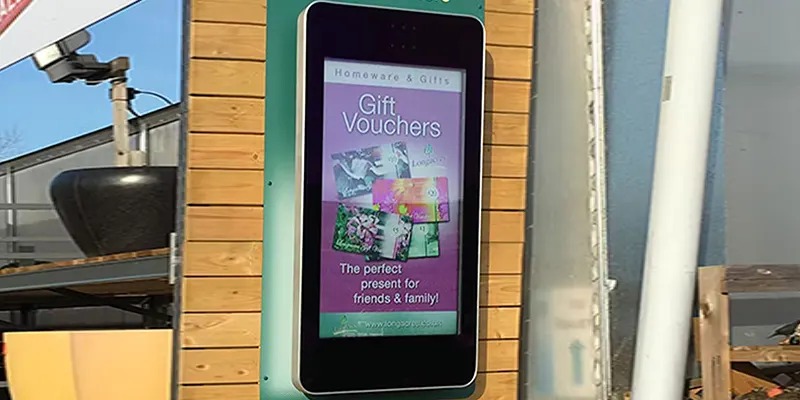
Какво е външен дигитален рекламен дисплей?
Дигитален рекламен дисплей за външна употребасе отнася до използването на електронни екрани, като Светодиод и LCD панели, поставени на обществени места на открито, за представяне на визуално съдържание. За разлика от традиционните печатни билбордове, тези дисплеи могат да показват динамични изображения, видеоклипове и информация в реално време, която може да се актуализира дистанционно. Те обикновено се инсталират по пътища, в транспортни възли, търговски улици и обществени площади, за да привлекат вниманието и да предават целенасочени послания. Чрез комбиниране на висока яркост, устойчив на атмосферни влияния дизайн и мрежова свързаност, външният дигитален рекламен дисплей предоставя гъвкав и модерен начин за комуникация с голяма аудитория в градска среда.
Защо умните градове се нуждаят от външен дигитален рекламен дисплей?
Умните градове разчитат на бързи, точни и гъвкави комуникационни системи, за да управляват сложни градски среди. Цифровите дисплеи предоставят ефективен начин за споделяне на информация в реално време с голям брой хора на обществени места. Те могат да излъчват актуализации за трафика, метеорологични предупреждения, съобщения за обществени услуги и известия за спешни случаи незабавно, помагайки на гражданите да вземат информирани решения и да останат в безопасност.
Освен предоставянето на информация, дигиталните дисплеи подпомагат и брандирането на града и туризма, като популяризират културни събития, забележителности и местни услуги. Те подобряват визуалната привлекателност на градските райони, като същевременно създават нови възможности за приходи чрез реклама. Чрез комбиниране на публичната комуникация с търговска стойност, дигиталните дисплеи се превръщат в основен инструмент за подобряване на градската ефективност, ангажираността на гражданите и цялостното качество на живот в интелигентните градове.
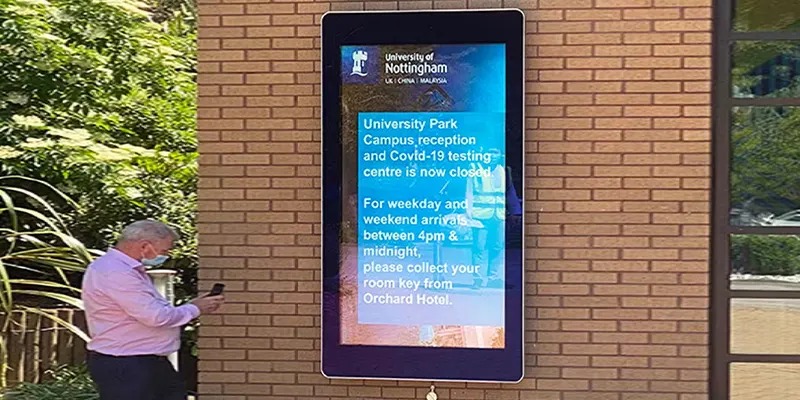
Ограничения на традиционната външна реклама
Традиционенвъншна рекламаразчита на печатни плакати и статични билбордове, които не могат да се актуализират бързо. След като дадено съобщение бъде показано, то остава фиксирано, докато не бъде физически заменено, което изисква време, труд и допълнителни разходи. Това затруднява реагирането на внезапни промени, като например нови промоции, метеорологични условия или специални събития.
Освен това, статичните реклами не предлагат взаимодействие или обратна връзка в реално време. Те не могат да се адаптират към различни аудитории по различно време на деня и е трудно да се измери точно въздействието им. В резултат на това традиционната външна реклама е по-малко гъвкава и по-неефективна в сравнение със съвременните дигитални решения за показване в днешната бързо развиваща се градска среда.
Възходът на дигиталните и програмните външни реклами
Дигиталната външна реклама трансформира начина, по който марките комуникират в обществените пространства, като замени статичните плакати с динамично, базирано на данни съдържание. С дигиталните дисплеи рекламодателите могат да актуализират съобщенията си мигновено и да провеждат множество кампании на един и същ екран през целия ден. Това позволява по-голяма гъвкавост и по-добро използване на рекламното пространство.
Програмната външна реклама отива още по-далеч, като използва автоматизирани системи за избор и показване на реклами въз основа на условия в реално време, като местоположение, час от деня, метеорологични условия или движение на аудиторията. Това гарантира, че съобщенията са по-подходящи и навременни, подобрявайки ангажираността на аудиторията и увеличавайки цялостната ефективност на външната реклама.
Ключови приложения по градските улици
1. Информация за трафика и навигация
Външните дигитални рекламни дисплеи играят ключова роля в насочването на пътуващите по оживените градски улици. Те могат да показват актуализации за трафика в реално време, затворени пътища, обходни маршрути и очаквано време за пътуване, помагайки на шофьорите да избегнат задръстванията и да планират маршрутите си по-ефективно. За пешеходците тези екрани могат също да предоставят упътвания, близки удобства и разписания на обществения транспорт, което улеснява навигацията и намалява объркването в претъпканите райони.
2. Обществена безопасност и предупреждения за извънредни ситуации
Дигиталните рекламни дисплеи за външна употреба са жизненоважен инструмент за обществената безопасност в градска среда. При извънредни ситуации, като например инциденти, тежки метеорологични условия или градски предупреждения, тези екрани могат да излъчват предупреждения незабавно до големи групи хора. Чрез предоставяне на навременни инструкции и информация за безопасност, цифровите дисплеи помагат на властите да управляват по-ефективно извънредните ситуации и да информират и защитават гражданите.
3. Търговска реклама и промоции
Градските дигитални екрани са също мощна платформа за бизнеса да достигне до местната аудитория. Те могат да показват привличащи вниманието реклами, промоции и послания на марката, съобразени с околния район. За разлика от традиционните билбордове, тези дисплеи могат да редуват множество кампании, да коригират съдържанието въз основа на време или аудитория и дори да интегрират интерактивни елементи, създавайки по-ангажиращо изживяване, което привлича посетители и увеличава продажбите.
Повишаване на ангажираността на гражданите чрез дигитални дисплеи

Дигиталните дисплеи в обществените пространства са нещо повече от просто информационни центрове; те активно ангажират гражданите и насърчават взаимодействието. Много съвременни дисплеи са снабдени с функционалност за сензорен екран, което позволява на хората да взаимодействат директно със съдържанието. Това може да включва търсене на местни услуги, разглеждане на карти на града или проверка на графика на събитията. Тези интерактивни функции превръщат статичната реклама в ценни инструменти за гражданите.
Освен това, цифровите дисплеи могат да се интегрират с мобилни приложения чрез QR код кодове или Bluetooth технология, което позволява на потребителите лесен достъп до допълнителна информация или специални оферти. Например, преминаващ пешеходец може да сканира QR код код на дисплей, за да получи отстъпка в близкия магазин или да получи актуализация в реално време за пристигащите на обществения транспорт. Тази безпроблемна интеграция на цифровите дисплеи с мобилни устройства създава по-свързано и персонализирано градско изживяване, увеличавайки ангажираността и насърчавайки чувството за общност.
Заключение
Дигиталните рекламни дисплеи за открито се превърнаха в съществена част от интелигентните градове, безпроблемно съчетавайки технологии, комуникация и търговия. Те предоставят информация в реално време, подобряват обществената безопасност и навигацията, като същевременно създават ангажиращи възможности за местните бизнеси и марки. Освен практическите си приложения, тези дисплеи допринасят за визуалната привлекателност на градските пространства и укрепват градската идентичност, правейки улиците по-оживени и интерактивни.
С развитието на технологиите – с подобрения като изкуствен интелект, 5G свързаност и добавена реалност – цифровите дисплеи ще стават още по-умни, по-персонализирани и по-интегрирани в ежедневието на града. По същество те не са просто рекламни инструменти; те са динамични комуникационни канали, които свързват гражданите, подпомагат градското управление и помагат на градовете да функционират по-ефективно и ефективно.
Често задавани въпроси
1. Какво отличава външните дигитални дисплеи от традиционните билбордове?
Външните цифрови дисплеи могат да променят съдържанието мигновено, да показват данни в реално време и да се интегрират със системи за интелигентни градове, за разлика от статичните билбордове.
2. Как интелигентните градове използват дигитални рекламни дисплеи?
Те ги използват за актуализации на трафика, сигнали за обществена безопасност, туристическа информация и търговска реклама.
3. Екологични ли са външните цифрови дисплеи?
Да, в сравнение с печатните плакати, те намаляват разхищението на хартия и често използват енергийно ефективна технология.
4. Могат ли малките предприятия да се възползват от градската дигитална реклама?
Абсолютно. Те могат да се насочват към местна аудитория и да коригират кампаниите в реално време за по-добри резултати.
5. Какво е бъдещето на външната дигитална реклама в градовете?
Бъдещето включва съдържание, задвижвано от изкуствен интелект, 5G свързаност и завладяващи технологии като добавена реалност.